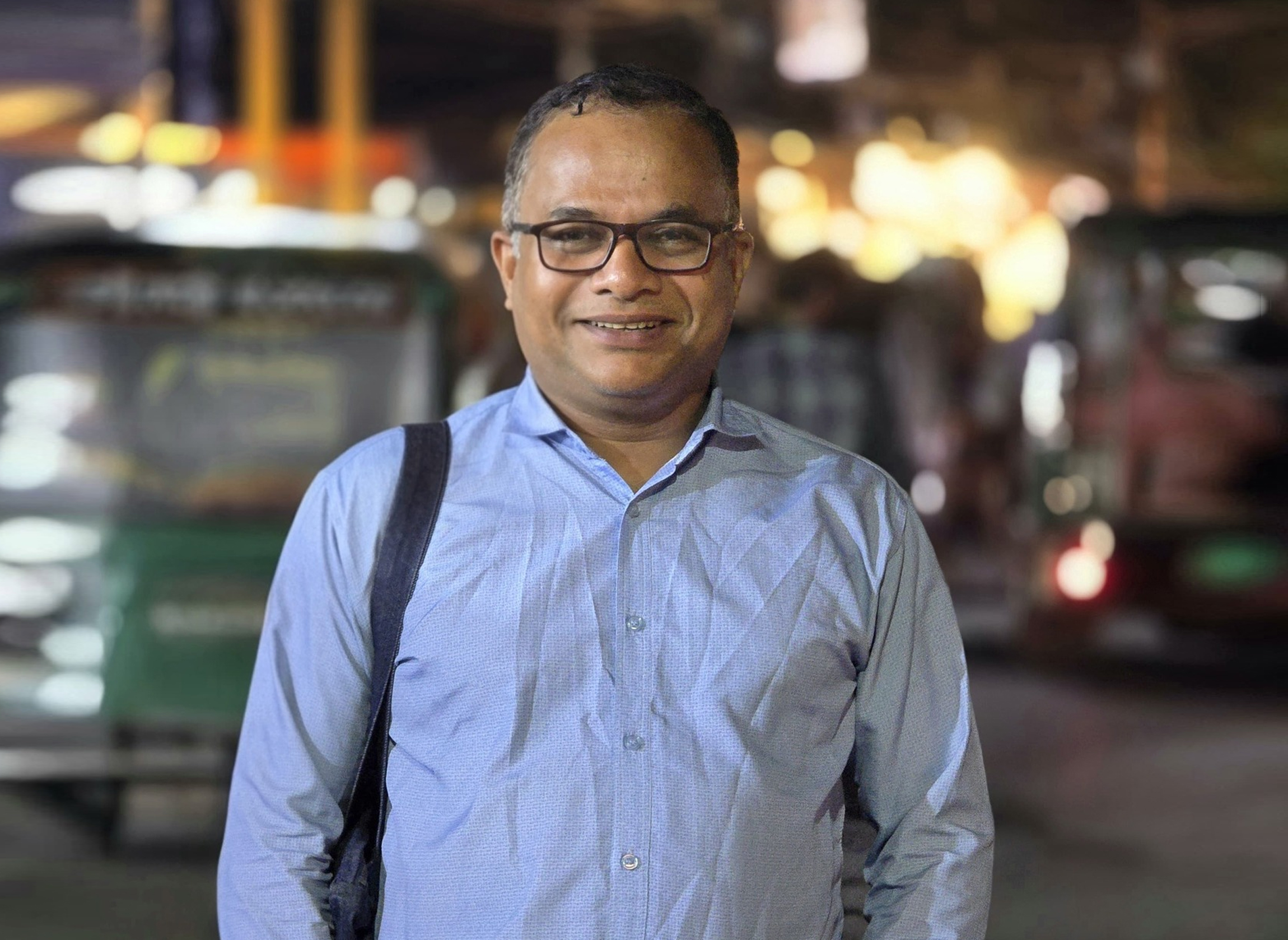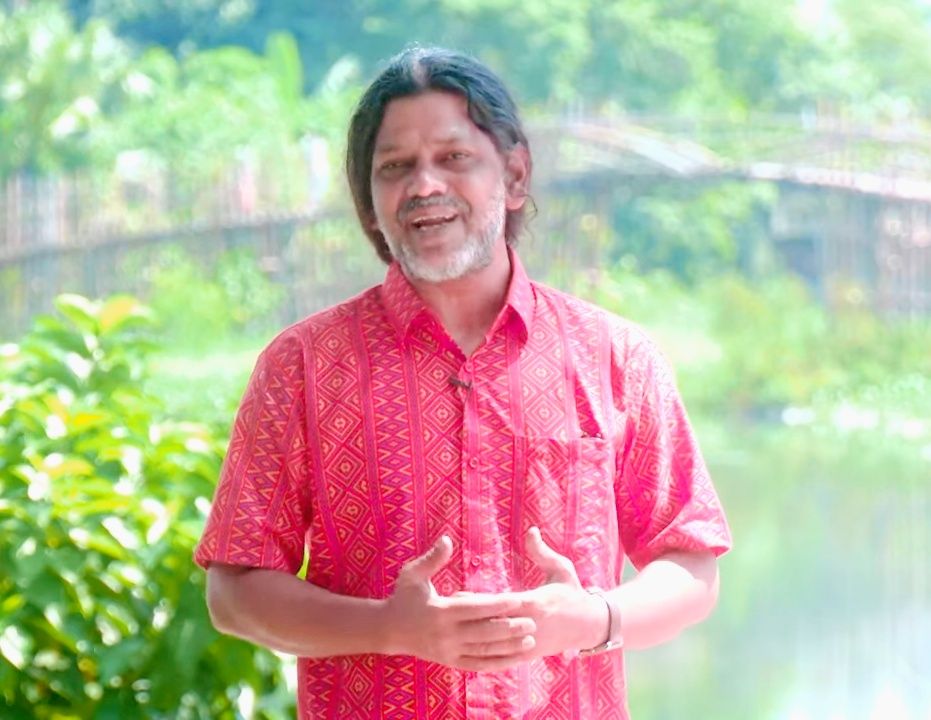
Shuman Shams
Bangladesh is a riverine country. A river does not only mean water; it is an
integral part of Bengal’s culture. Through art, the bond with that culture
becomes even stronger. Yet the rivers surrounding the capital Dhaka (such as
Buriganga, Turag, Shitalakkhya, and Balu) are now endangered by pollution,
encroachment, and navigability crises. To preserve river culture, Nongor Trust
has organized a series of art camps with the participation of the country’s
renowned painters.
The death of a river signifies the death of
life and civilization. The disappearance of a river leads to the extinction of
river culture. The death of the Buriganga would mean the abandonment of Dhaka
city. Rivers, however, have played the most vital role in the birth of human
civilization. Ancient agrarian societies were founded through irrigation and
cultivation along riverbanks. Thus, in Bengal’s timeless history, the bond
between people and rivers is profound. Rivers are inseparable from the economy
of this land, and equally inseparable from its culture.
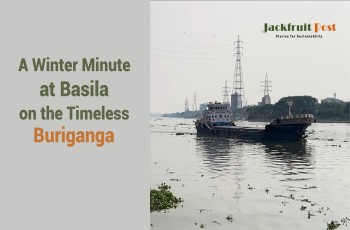
On 6 August 2025, 35 artists, aboard BIWTA’s vessel Balu, observed the rivers from Buriganga to Turag before gathering at Ashulia River Port for the second art camp titled Save Turag, Save Life. During the observation, artists drew the heart-wrenching scenes of encroachment and pollution on Buriganga and Turag with pen, paper, and paint right on the boat. These works will be exhibited for the public at Chitrak Gallery in Dhaka from 26–30 September 2025, marking International River Day.
Earlier, on 18 January, Nongor Trust organized
the first watercolor art camp, River and
Women, bringing together 35 distinguished Bangladeshi painters to
highlight the occupation and pollution of Buriganga. That exhibition was later
held at Gallery 7 of Bangladesh Shilpakala Academy from 23–30 May.
Art strengthens our cultural bond. Yet today,
the rivers surrounding Dhaka face pollution, encroachment, and navigability
crises. Currently, the 16-kilometer stretch of Buriganga from its source at
Dhaleshwari to Basila is being removed from official government documents. To
justify this omission, it is being claimed that the Buriganga originates from
the Turag rather than Dhaleshwari.
To raise awareness by portraying both the
beauty and the crises of rivers through art, Nongor Trust—a social organization
focused on river and ecological protection—has begun organizing ongoing art
camps along riverbanks under the slogan Save
the River, Save Life. Nongor Trust has long been associated with river
conservation movements. Through anti-encroachment and anti-pollution campaigns,
as well as cultural activism—including TV programs, seminars, human chains,
plays, songs, paintings, and exhibitions—it seeks to create public awareness.
It also engages youth by encouraging school, college, and university students
in river-based competitions and art practices. To pressure policymakers, it
uses media and art as tools to draw government attention. Artists, through
their emotional connection, depict river pollution, plastic waste,
encroachment, and lost beauty in their works, which will continue to be
displayed in exhibitions. Art camps by the rivers not only record history but
also mobilize local communities to protect rivers.
The necessity is clear: to build an emotional
bond between people and rivers, to engage students so they grow up with
eco-friendly values, to create policy-level pressure because art is a powerful
tool of social movements, and to strengthen efforts aligned with the
Sustainable Development Goals (SDGs).
River protection is not merely a policy or
legal struggle; it is also a cultural and social movement. Nongor Trust’s art
exhibitions with painters can be a powerful way to raise mass awareness to
protect Dhaka’s rivers. Art touches hearts, and no environmental movement can
truly succeed without engaging people emotionally.
Artists play a unique role in protecting rivers. Through their works, they not only portray the beauty of rivers but also reveal their crises. When a painting captures both the charm and the pain of a river, it quickly inspires people and sparks awareness. Artists have the power to tell the river’s story—bringing to life its past, reflecting its present, and imagining its future. Exhibitions of such artworks become powerful tools for shaping public opinion. Viewers are exposed to the challenges rivers face, and policymakers are compelled to take these issues more seriously when they see them expressed through art. These exhibitions also leave a lasting impact on children and young people. By experiencing river-centered artworks, they grow up with a stronger sense of responsibility and awareness about protecting nature. Thus, art is not merely a form of beauty; it becomes a powerful instrument for river protection.

When artists sit by Dhaka’s riverbanks, they can directly feel and express nature. The lives of local people, fishermen, and boatmen become reflected in their art. The ongoing crisis becomes visible in live sketches. Bonds are built between artists and riverside communities, strengthening the movement.
Exhibitions play a crucial role in promoting
river conservation, serving multiple purposes beyond simply displaying art. By
organizing gallery shows, open-air exhibitions, and public displays, urban
residents are given the opportunity to reconnect with rivers and understand
their importance in daily life and cultural heritage. These exhibitions also
serve as a platform to engage policymakers; inviting ministry officials,
representatives from the Department of Environment, and local administrative
authorities encourages them to take a more active role in protecting waterways.
Media coverage further amplifies the impact, spreading the message of river
conservation to a wider audience. Additionally, holding exhibitions on
occasions like National River Day or during cultural festivals strengthens
social commitment, embedding river protection within the fabric of community
life and national consciousness.
River conservation cannot be achieved only
through law or administrative steps; it requires social, cultural, and
psychological change. Artists, with their creativity, can bring the crisis and
beauty of rivers into people’s hearts. That is why it is urgent today to
arrange art camps by Dhaka’s rivers and exhibit those artworks.
The goal of Nongor’s art camps and exhibitions
is to raise public awareness and strengthen the people’s movement for river
protection. Our aim is to portray the crises facing rivers—such as
encroachment, pollution, and erosion—through paintings that make these
challenges tangible and immediate. Beyond depicting rivers as mere resources,
we aim to show them as living entities, integral to both life and culture. At
the same time, we strive to inspire artists to embrace their social
responsibility, encouraging them to convey the message of river protection
through their creative work. Ultimately, we hope to foster dialogue and
cultural engagement, creating a platform where art, heritage, and civic
activism converge around the shared cause of river conservation.
Our purpose is to spread the core message—Save the River, Save Life—nationwide by marking May 23 as National River Day, to build positive public opinion in favor of river protection, to engage youth and the new generation in the movement, to use art and cultural practices as tools for the river movement, and to remind policymakers and authorities of the urgent need for river conservation. In short, Nongor seeks to cultivate love, responsibility, and a spirit of activism for rivers through the creativity of artists.
[Shuman Shams is the founder, and chairman of Nongor Trust, a Bangladeshi social organization dedicated to environmental causes, with a special focus on river conservation and waterway safety.]