Sumit Banik
There’s something humbling about standing beneath an old banyan tree. You look up, see the sunlight breaking through its thick leaves, and suddenly feel smaller—but also deeply connected. That connection is what World Ecology Day is all about. Celebrated every year on November 1, the day reminds us that caring for nature isn’t just about saving trees or cleaning rivers—it’s about saving ourselves.
The word ecology comes from the Greek ‘oikos’, meaning ‘home’. It’s ironic that, in trying to build a more comfortable life, we’ve made our shared home less livable. Ecology isn’t just about forests or wildlife—it’s the science (and art) of coexistence. When the Padma floods, it’s not ‘nature striking back’. It’s a signal—a reminder that every action has a consequence.
Bangladesh, a country of deltas and rivers, knows this truth better than most. With over 170 million people packed into one of the most climate-vulnerable regions on the planet, ecology isn’t a luxury here—it’s a matter of survival. Rising sea levels are already swallowing coastal land; the Bangladesh Bureau of Statistics (BBS) estimates that nearly 20% of the coastal population faces direct climate threats. Add to that the relentless pollution of air and water, deforestation in the Chattogram Hill Tracts, and the urban sprawl devouring what little greenery remains in Dhaka—and the picture becomes even starker.
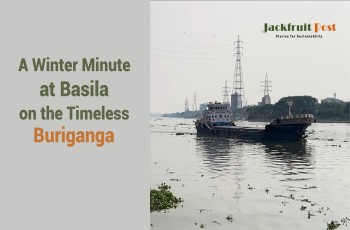
Let’s be honest: we’re stretching the limits of our environment. Every year, Bangladesh produces around 3,000 tons of plastic waste per day, and more than half of it ends up in rivers, according to a 2024 report by the World Bank. The Buriganga and Turag—once lifelines—are now black with chemical discharge. Meanwhile, Dhaka’s air ranks among the most polluted in the world, costing the country around 4% of its GDP in health-related losses, as reported by the Asian Development Bank.
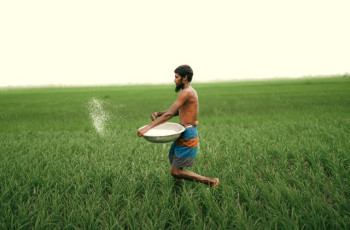
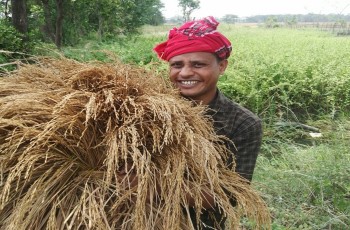
It’s not that people don’t care. Farmers in Gaibandha are shifting to climate-resilient crops. Schoolchildren in Rajshahi are leading weekend tree-planting drives. Even small communities are experimenting with zero-waste models. The spirit of change exists—but it’s fighting against a system that too often rewards exploitation over protection.
In 2025, the United Nations Environment Programme (UNEP) reported that global biodiversity loss had reached an “irreversible tipping point” in several regions. Locally, Bangladesh’s forest cover has dropped below 14%, far short of the National Forest Policy target of 20%. Mangroves in the Sundarbans—the country’s natural shield against cyclones—are retreating faster than ever, primarily due to rising salinity and shrimp farming.
Here’s the thing: we often underestimate the power of small, consistent actions. Planting a tree might sound simple, almost cliché—but it’s one of the most effective things we can do. A single mature tree can absorb about 22 kilograms of CO₂ per year. Imagine if every household in Dhaka planted just one. That would mean millions of tons of carbon quietly and naturally pulled out of the air.
Then there’s plastic. Cutting down on single-use plastic isn’t just an eco-friendly gesture; it’s a moral one. A 2024 study by the BRAC Institute of Governance and Development found that 60% of urban consumers in Bangladesh still rely on disposable plastic bags. Shifting to reusable jute or cloth bags isn’t revolutionary—but it’s how revolutions begin, one habit at a time.
Learning matters, too. Schools and workplaces should treat environmental literacy as essential, not optional. Understanding why the Sundarbans matter, or how air pollution affects mental health, turns vague “awareness” into real accountability. Knowledge leads to empathy, and empathy drives action.
Of course, individual acts can only go so far if policies don’t back them up. Bangladesh has some strong frameworks—the Environment Conservation Act (1995), the Delta Plan 2100, and the Climate Change Strategy and Action Plan—but implementation remains weak. Laws exist on paper while brick kilns puff smoke unchecked, and illegal sand mining continues along major rivers.
The government needs to enforce existing environmental laws and promote greener infrastructure. Urban development should be planned with ecology in mind: more public parks, better waste management, and stricter limits on industrial emissions. Private companies also have a role to play. Corporate sustainability shouldn’t just be a glossy CSR report—it should be visible in supply chains, in packaging, and in how they treat the communities where they operate.
And let’s not forget the global context. Wealthier nations have a moral obligation to support countries like Bangladesh through climate financing and technology transfer. After all, those who contributed the least to global warming are paying the highest price.
Maybe the biggest challenge is shifting our mindset. Ecology isn’t something separate from our daily lives—it is our daily life. The food we eat, the air we breathe, the water we drink—every bit of it depends on healthy ecosystems. When we harm nature, we harm the very systems that keep us alive.
So, on this World Ecology Day, perhaps the simplest thing we can do is start where we are. Plant a tree in your backyard or balcony. Say no to that unnecessary plastic cup. Support a local group cleaning up your neighborhood. Read about climate change—not to feel hopeless, but to understand the urgency.
Because in the end, ecology isn’t just about saving the planet. The planet will survive us; it’s our future generations who may not. We’re all tenants in the same fragile home. The question is—are we willing to take care of it before the lease runs out?
[Sumit Banik is a public health activist and writer dedicated to promoting dignity, well-being, empathy, and social justice in Bangladesh’s underserved communities. He has also been actively involved in citizen journalism for many years.]