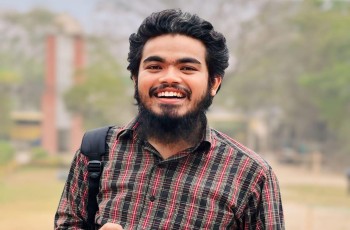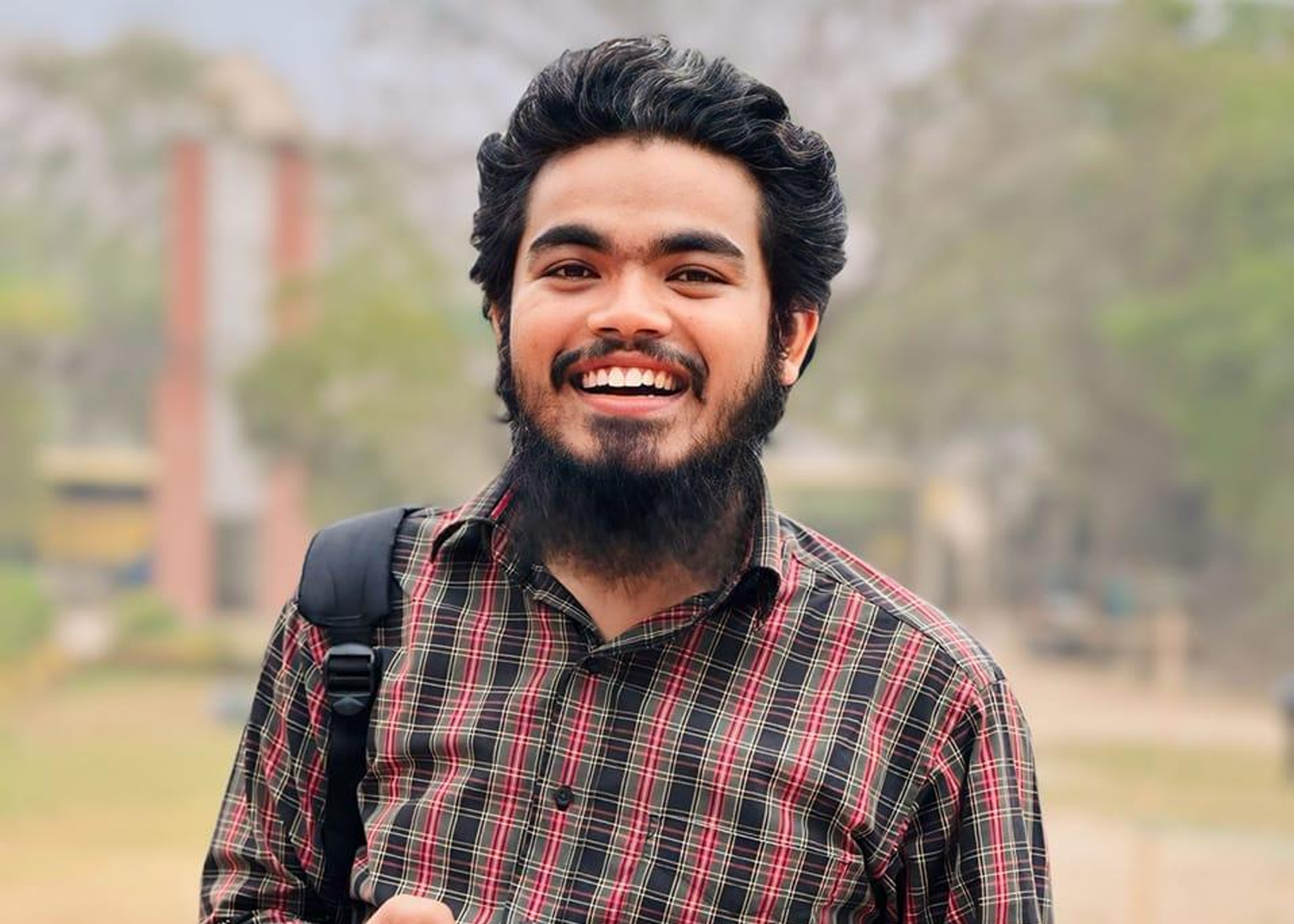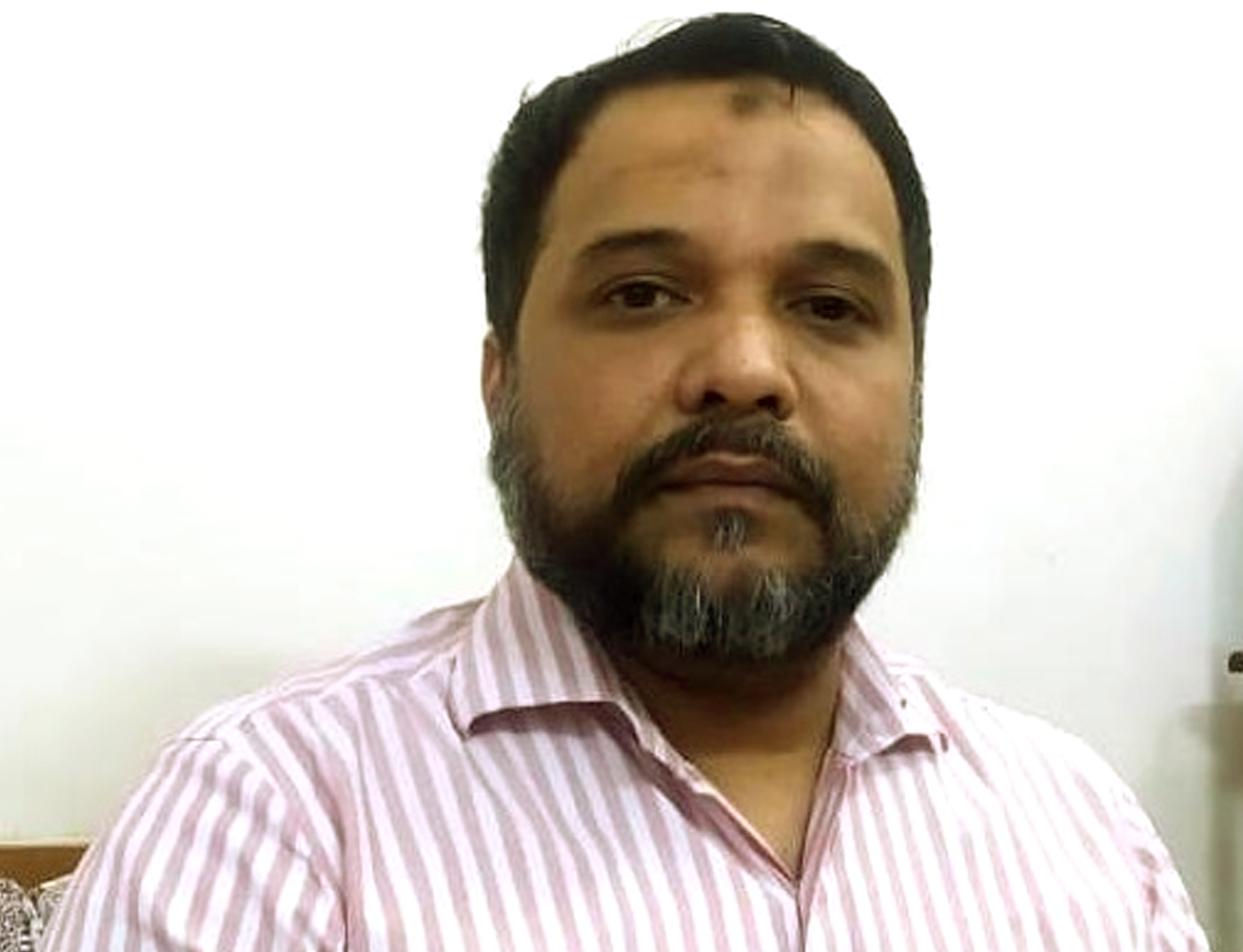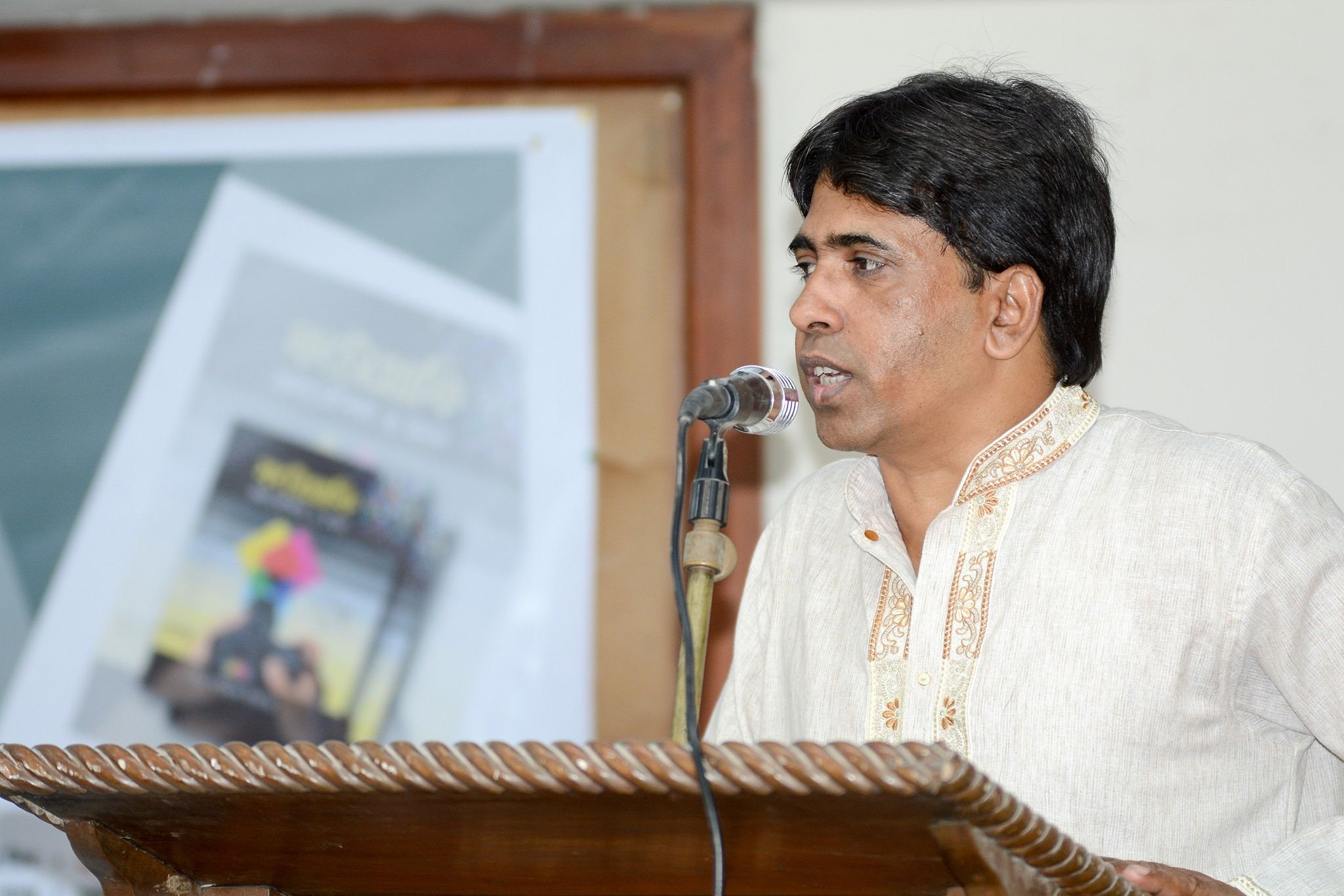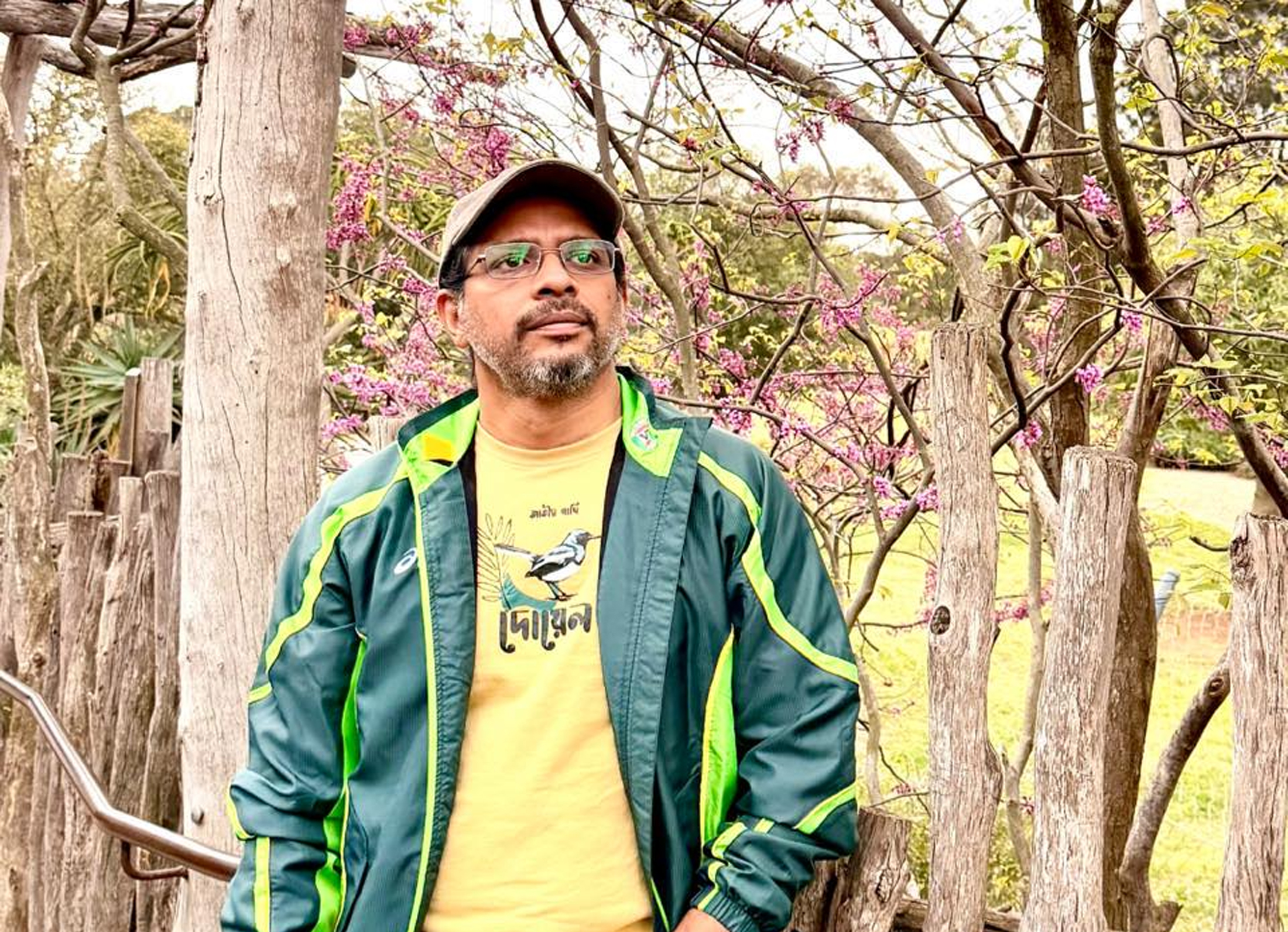
Mahmud Noman
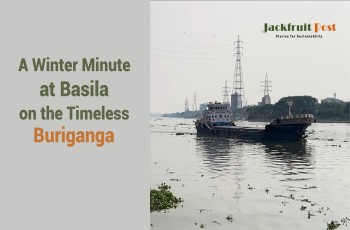
When I was in Class Three, our family moved from our old house to Anwara Sadar, near the Ichamoti Ghat. The Lushai Hills shaped the Karnaphuli River, and one of its branches flowed past our new home—from east to west. At that time, steamers, launches, and small boats travelled along the Ichamoti canal carrying people to the city. That canal became a river in my imagination; and then, in reality, it died. The fish disappeared. The water turned into a stagnant, polluted pond—killed by people themselves, with excuses like dam construction and the reckless use of fertilizer and pesticides.
I have always believed that every human being carries a river inside them. The body functions like a flowing system—any slight disruption brings illness. Perhaps that is why watching my Ichamoti River die created a deep wound in me. And that wound led me to start Deyang magazine in 2019. By 2022, after publishing The River Issue (Nodi shonkhya) —Deyang’s seventh—I realized that themed issues were the path I wanted to take. Incidentally, the contact address of Deyang is still Ichamoti Ghat, a reminder of where the journey began.
I believe every writer has at least one beloved river. I wanted to bring those rivers into literature—to document not just water and memory, but also the violence humans inflict on the rivers around them. Through that issue, I also tried to show the condition of the cross-border rivers that connect us with our neighbors. That issue shaped the editorial direction of Deyang and built in me a sense of responsibility.
Most writers today are rootless—products of Facebook literature: posts, likes, and comments. I wanted to bring writers back to their origins.
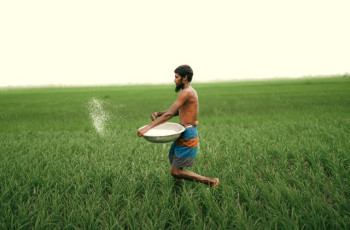
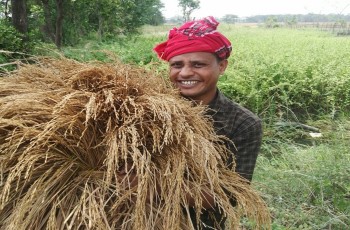
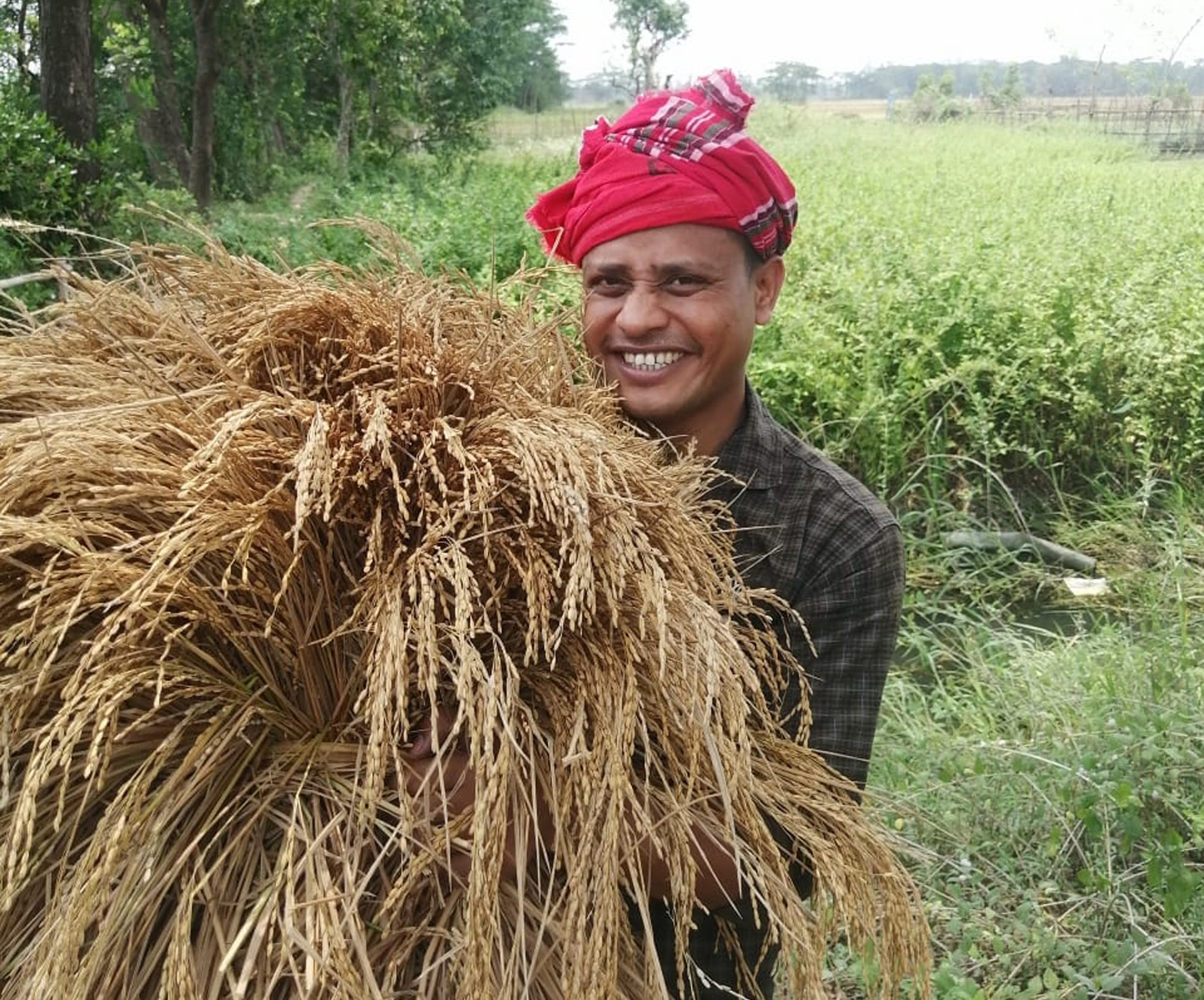
After the river came rice. The Beloved Rice Issue (Priyo Dhan) emerged from a painful realization: the so-called elite classes—backed by institutional degrees—have pushed our native rice varieties toward extinction through their allegiance to syndicates. Farmers are not responsible for this loss; the polished, well-dressed class is. They handed over chemical fertilizers, pesticides, and hybrid seeds to farmers, slowly killing them—quietly, through cancer—while celebrating their own profits. And then they made us dependent on foreign hybrid imports. Almost no one questions this.
So I wanted writers to think about native rice again—to spark curiosity, emotion, and awareness.
After rice came fish (Priyo Machh) —the beloved symbol of our 'machhe-bhate Bangali' identity. Again, the syndicates appeared, poisoning our fields and waters through chemicals and hybrid policies. The mothers who sent their sons to study and become good people saw many of them return as commission agents for seed-pesticide companies. I cannot call them human. The finer their clothes, the more disgust I feel; I look only at the inner garments—the truth.
That is why I never invited these degree-holding elites to write about rivers, rice, or fish. They are the ones who killed them. I invited writers instead. Because at the end of the day, it is writers who can stir hearts, create memory, and reconnect people to their roots.
I have travelled across the country—often on borrowed money—to prepare these issues. Since I survive only through writing, publishing Deyang means I must constantly extend my hand for support. And who holds the advertisements? The same elites who promoted hybrid seeds, chemicals, and poison instead of native rice and fish. They may be silently furious at what I publish. Naturally, they avoid sponsoring it. That leaves me in a harsher, lonelier corner, often relying on NGO loans just to keep the magazine alive.
[Mahmud Noman is devoted solely to writing as his craft and contemplation. He has published a poetry collection, Luijale, and a novel, Jochonapora Chhaya. Since 2019, he has been editing Deyang, a little magazine of art and literature based in Anwara Sadar.]