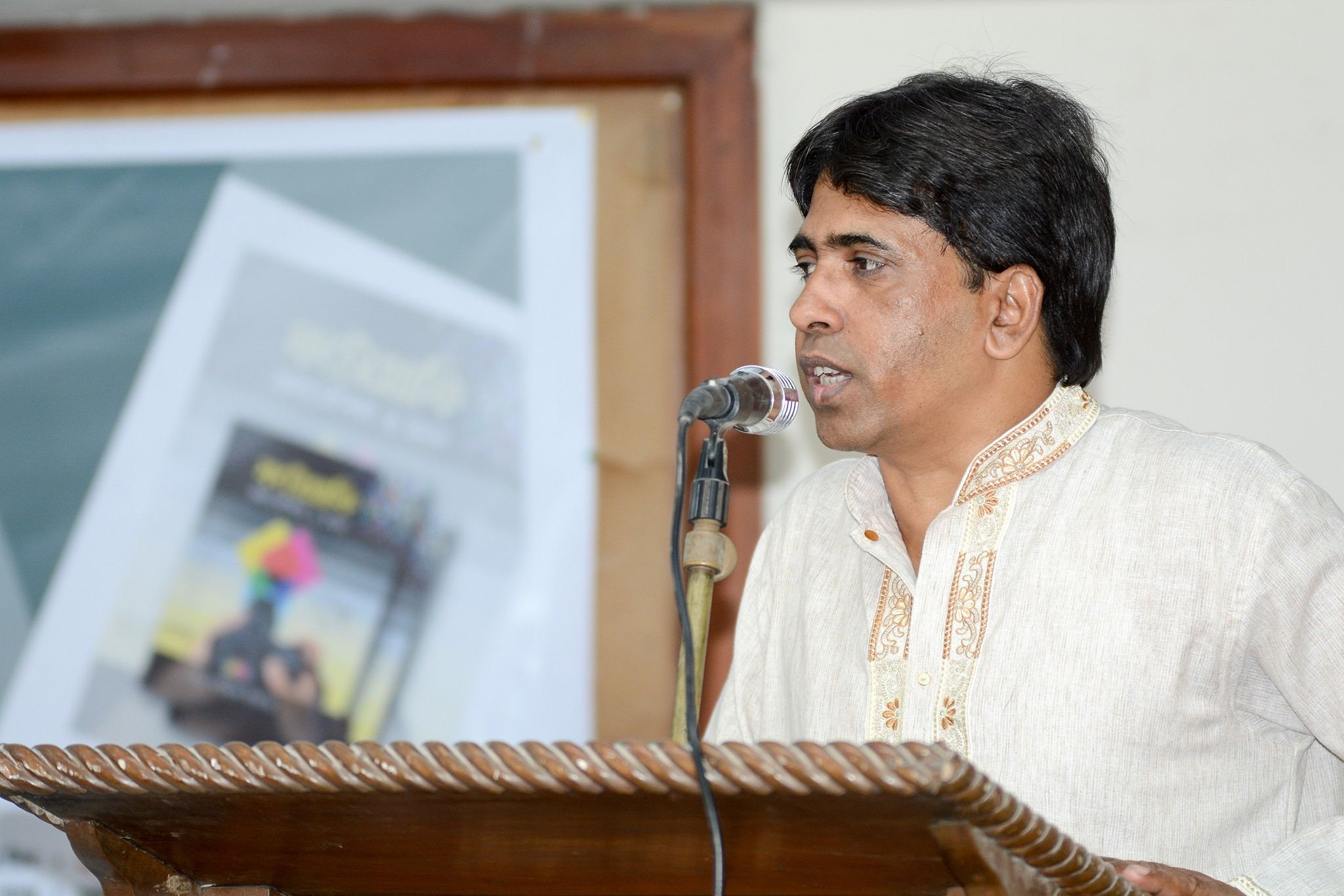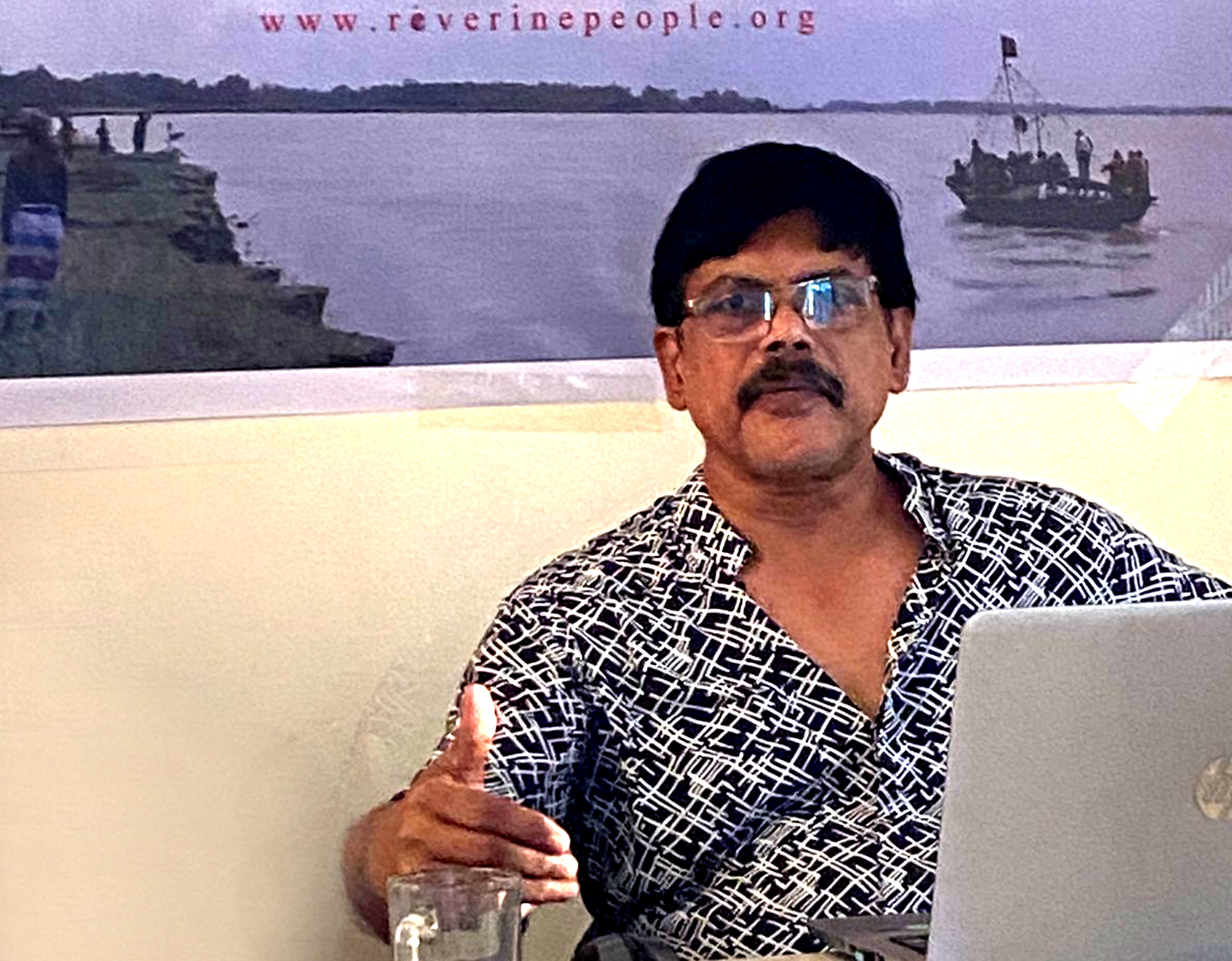
F.M. Anwar Hossain
Imagine a family living on a fragile 'char' island in the Jamuna River. The same river that nourishes their crops and provides fish can, without warning, erode their home overnight. This is not an isolated tragedy — it is a daily reality for millions in Bangladesh, a nation on the frontlines of climate change. Yet while international headlines focus on sea-level rise or cyclones, we forget a vital component of the solution: our rivers — and the communities who live alongside them.
As Bangladesh grapples with rising energy costs, power outages, and environmental degradation, the shift to renewable energy seems inevitable. But the way we make this transition — and who is included in it — matters just as much as the destination. A Just Energy Transition (JET) isn’t only about reducing carbon emissions. It’s about fairness, inclusion, and resilience. And that cannot happen without river stewardship at its core.
Currently, over 80% of Bangladesh’s electricity still comes from fossil fuels like coal and gas. These sources not only contribute to global warming but also inflict local damage: river pollution, displacement due to power plants, and escalating fuel import bills. The consequences fall disproportionately on riverine communities — the very people who have protected our waterways for generations.
Policymakers are not unaware. The Bangladesh Delta Plan 2100, the Water Act of 2013, and various renewable energy policies aim to balance environmental protection with development. Yet these well-intentioned strategies often miss one crucial piece: community-led action. Plans look good on paper, but enforcement is weak, participation is limited, and the needs of the river-dependent poor are overlooked.
What’s needed is not just more solar panels or power plants, but a river-conscious energy transition — one that empowers local people as stewards, beneficiaries, and innovators.
The good news? It’s already happening, albeit in scattered initiatives. Groups like the Riverine People Trust (RPT) are showing what a locally rooted JET can look like. From promoting rooftop solar at river ghats and embankment-top solar installations, to exploring tidal energy in the Meghna estuary and biomass from water hyacinths — these are technically sound and environmentally sensitive solutions. They also create local jobs, reduce energy poverty, and cut pollution.
One promising example is the use of floating solar PV systems on reservoirs like Kaptai Lake. These installations save land, reduce evaporation, and generate clean energy without disrupting fisheries or transport. In-stream turbines and electrified ferries powered by solar-charged batteries could transform off-grid river transport, which remains diesel-reliant and polluting.
Yet to scale up, these ideas need political will, financing, and regulatory support. We must develop “River-Safe Renewable Energy Guidelines,” reform net metering policies to include riverine marketplaces, and create Just Transition Funds to support reskilling of river-dependent workers. This includes fishers, boat operators, and farmers who may be affected by changing water use patterns but can also benefit from new employment opportunities in clean energy sectors.
Some may argue that these technologies are too costly or too complex. But data suggests otherwise. The levelized cost of electricity (LCOE) for many of these river-based renewable solutions is competitive — sometimes even cheaper — than fossil fuels when lifecycle costs and subsidies are accounted for. In fact, investing in decentralized clean energy could reduce Bangladesh’s annual fuel import bill of $5–6 billion and contribute an additional 2–3% to GDP growth.
Crucially, global frameworks already back this shift. The Paris Agreement and the UNFCCC call for a just transition, particularly in vulnerable countries like ours. Bangladesh’s own Nationally Determined Contributions (NDCs) commit to reducing emissions, but implementation has lagged behind. Strengthening community-led stewardship could unlock stalled international financing, including from the Green Climate Fund and the Just Energy Transition Partnerships (JETPs).
This is more than just an energy debate. It’s about rethinking development from the ground up. We must acknowledge that climate justice begins at home — not in air-conditioned boardrooms but on the riverbanks where life is shaped by currents, floods, and resilience. These communities are not victims to be rescued, but guardians to be empowered.
If we are serious about fairness, sustainability, and prosperity, our energy transition must not bypass our rivers — or those who depend on them. Instead, it should flow with them.
[F.M. Anwar Hossain is a development researcher, climate advocate, and Trustee of the Riverine People Trust, a Dhaka-based national civil society organization dedicated to rivers, wetlands and water resources across Bangladesh.]